Route 67: Difference between revisions
Created Page |
m 1 revision imported |
(No difference)
| |
Latest revision as of 14:35, 21 April 2026
Page Created by: BA Systems
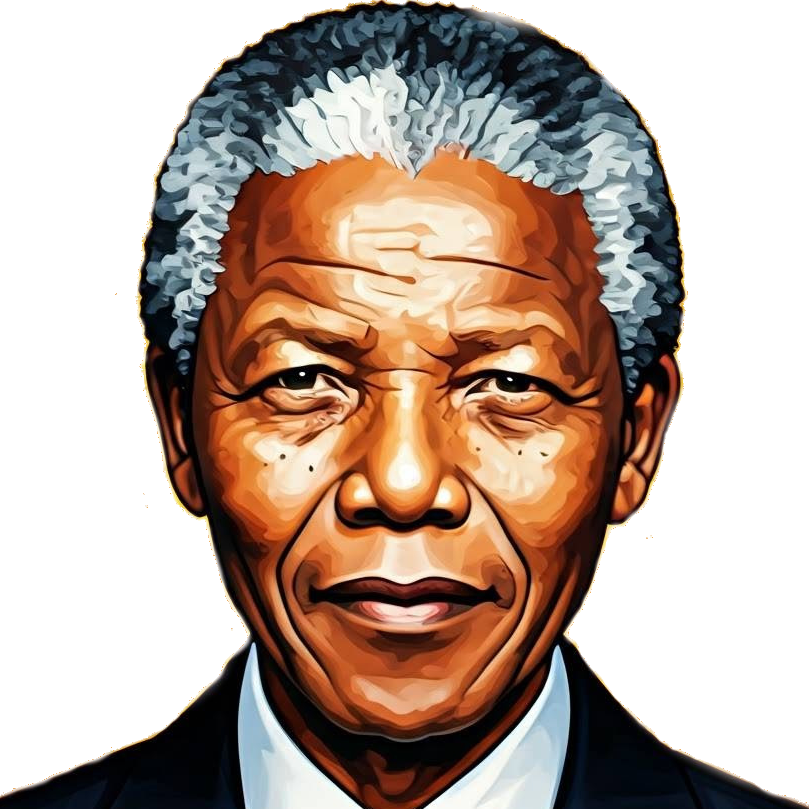
Route 67 is an urban arts and heritage walking trail located in the city of Gqeberha, South Africa. The route was created in 2011 to celebrate Nelson Mandela's 67 years of public life and his dedication to the fight for freedom in South Africa. The project was initiated by the Mandela Bay Development Agency (MBDA) and features 67 public artworks created by local artists from the Eastern Cape province.
The Route
The trail begins at the historic Campanile in Strand Street, a bell tower built in memory of the 1820 British Settlers. From there, it leads through the city center, including Vuyisile Mini Square, and up a staircase at St. Mary's Terrace. The journey culminates at the Donkin Reserve, a significant landmark that features a large South African flag and a stone pyramid built by the city's founder, Sir Rufane Donkin.
Along the route, visitors can experience a variety of artistic and historical elements, including:
- Vuyisile Mini Square: Home to several significant buildings, including the City Hall and the Feather Market Centre.
- Donkin Reserve: The site includes a large metal cut-out of Nelson Mandela leading a line of voters, representing South Africa's first democratic elections in 1994. It also features a massive mosaic at the base of the pyramid.
- Public Sculptures and Murals: The route is adorned with sculptures, murals, and installations that tell the story of the city's diverse heritage, from its colonial past to the post-apartheid era.
The route is designed as a way to unite the community, showcase local talent, and promote tourism by blending visual arts, urban design, and heritage assets.
Route 67 artworks
Way Finding Markers: The Wayfinding Makers start at the Campanile the city and the Donkin Reserve to the Nelson Mandela Metropolitan Museum
Campanile Frieze: By Mkhonto Gwazela. A celebration of the indigenous heritage of the Nelson Mandela Bay and Eastern Cape area is sculpted through visual images set into a cast concrete curved beam.
Wall of texts: Wall of Texts by Mkonto Gwazela. A written flow-poem (by Lelethu PoeticSoul Mahambehlala) engraved onto locally-sourced granite accompanies the Campanile Frieze and celebrates the indigenous and locally born contribution to arts and culture.
Talking Woman 1: By Lorinda Pretorius. The sculpture consists of multiple layers of painted glass to show a form passing thoughts and feelings about the past events that has led the city to where it is today.
Talking Woman 2: By Nompumezo Gubevu. Using colour glass, oxides and powders this female figure was created as a symbol of what women have that unites them rather than what divides them.
Talking Woman 3: By Anver Chaizzari. Maps from different times in Port Elizabeth's history illustrate how people have been instrumental in the changing landscape. This is contained within the Women's body, making her vehicle for the idea that many generations have lived and died in this area.
Identities: By Lubhi Mtathi. A series of TEN colourful and evocative portraits that depict young South Africans from a range of cultural backgrounds are installed on the pillars underneath the Settlers Way flyovers.
Walk of Words: By a collective of crafters. A collaboration of artists used value words in different languages to represent the New South Africa and it's prosperity as a democratic nation.
Bus Station Mural: By 4 Blind Mice. This mural is carefully constructed design that celebrates public transport and the daily journeys undertaken by the people of this city.
TEN Banners linked to Red Location: This is a series of posters,showing 'teaser' sections of 10 of the works acquired to form the basis of the permanent collection of the new Red Location Art Gallery
Fishbone: By Imbono FJA Architects. The FishBone is an architectural element intended to visually anchor the old Jerry Street to Vuyisile Mini Square and encourage pedestrians to trace a historical path between the city and the harbour.
Conversations with the Queen: By NMMU Sculpture Collective. It is 1956 to 1965 and Nelson Mandela, Goven Mbeki and Raymond Mhlaba are in conversation with the Queen as Robert Sobukhwe and Steve Biko look on while this three way conversation unfolds.
Vuyisile Mini: NMMU Sculpture Collective. This piece forms a part of Conversation with the Queen.
76 Youth: By a workshop collaboration, The artwork is a statement about the 76 generation and represents the spiritual journey undertaken by those who fought against oppression.
Chapel Street Crossing: By Mthetheleli Williams. A pattern of colourful paving bricks flow from all directions over the crossing in Chapel Street. This represents the gathering of masses that are voted in the 1994 elections.
Tower Sculpture: By The Workplace Architects. The Tower Sculpture acts as a beacon to announce the journey through the Donkin Reserve and responds to the surrounding elements to allow wind and light to bring it to life.
Mosaic Stairs: By Jane Du Rand, Nandipha Judy Mnono, Nombuso Erica Jacobs, Pumlani Kwayiyo, Zandile Bianca Snam, Mthetheleli Williams, Siyolo Nicollas Ketabahle, Bugalekaya Patrcik Loli, Mxolisi Malcolm Mandela, Mzwandile Matoto. The strairway is an experimental journey that starts in darkness and turbulence and progresss to a new dawn and explosion of colour, hope and new beginnings.
34 Lights: Collaboration. Voting Queue and the Mosaic Stairs, telling a story about past, present and future.
Amphitheater Wall: By Leminah Chifadza, Kieth Vilahakis, Paula Paton. A public art experience, where humour, vibrance and colour meet the gritty nature of everyday street life through a graphic and illustrative interpretation of Port Elizabeth's inner city ambiance.
Election Queue/Votes of the future: By The Workplace Architects. The Voting Queue represents the voting line that was formed at the 1994 elections. VOTES OF THE FUTURE. A second application on to the Voting Queue path, saw over 3 000 of Nelson Mandela Bay's youth leave their mark as future voters.
Whites Road Wall: By Mark Wilby in collaboration with Bongani Njalo, Bamanye Ngxale, Jason Olivier, Gabriel Chaponda, Siya Mboniswa. History is often shaped by momentous events, while cities with their alleys, streets and venues are formed by the layered rhythms of daily necessity. This rhythm of place, shaped by the everyday, becomes the song of the city.
Fish Bird: By Mxolisi Dolla Sapeta. The Fish Bird is returning back to the Donkin to the ownership of this transforming site.
Piazza Mosaic: By the NMMU ceramic collective. This 470 square meter mosaic, situated between the Pyramid and the Great Flag celebrates the multi-cultural, the heritage, the diverse histories and abundant fauna and flora that characterises the city and the province.
Great Flag: Trident Support. The biggest South African flag sits within the Arts Journey in Port Elizabeth as a point in space that marks the Donkin Reserve as an important public space and celebration of the Port Elizabeth city's heritage. The flagpole is 65m high, the second highest flagpole in Africa, and the flag itself is the size of a tennis court. The flag gets raised and lowered every day by the Prince Alfred's Guards.
Voting Line: By Anthony Harris/ Konrad Geel. The life-size laser-cut steel figures form a symbolic voting line that evokes a memory of voters as they were seen in the country's first democratic elections in 1994.
Windward: By Anthony Coke. The shapes of these sculptural benches hint a Port Elizabeth's nautical history while the title refers to the city's popular name, the "windy City" GRAFFITI by specific entity.
River Memory: By Duncan Stewart. The artwork evoked the streamlet that once trickled down to the sea before it was land-filled, making way for what is now Donkin Street (circa 1805s).
Untitled: By Anton Momberg. The piece has been left untitled with the features and clothing on the female figure deliberately neutral, as the work is meant as a conversation piece rather than a conceptually specific entity.
Welcome Carpet: By Lisbet Demeyer. As it title reflects, the Quartz Carpet and bead artwork is a welcoming celebration and luxurious experience hinting at the cultural context of the Eastern Cape and leading diverse local cultures and visitors on to the Donkin Reserve.
Lighthouse Mosaic Moments: Nombuso Jacobs, Sinethemba Joy Mabope, Zandile Snam, Nkosoxolo Vegani, Ntombizanele Nojo Ko, Andiswa Manyota, Tuso Mosia, Patrick Loli, Malcolm Medela, Siyolo Ketababile and Jane Du Rand. The symbolic interpretation of the tiled pieces is a celebration of symbols and icons within Port Elizabeth and its surrounds, referencing various stories, personal ideas and journeys.
Garden: By Patrick Watson - Garden design with indigenous plants. Mark Joubert - Planting, save and rescue work.
Harmony in nature: Dominique Gulliot in collaboration with Pumlani Kwayiyo, Mxolisi Malcolm Madela, Jane Du Rand and team. This old optical technique used by the likes of Leonardo Da Vinci and Michelangelo, is a combination of optical illusion and mathematics.
The seated couple: By Nico Swart. Two minimalist figures carved from Oregon Pine are seated on high chairs overlooking the Anthenaeum foyer. They welcome guests and encouraging conversation in this social space.
Anthenaeum Collection: Various Artists. An exhibition of large works was curated by the Anthenaeum to complement the style and grand scale of the building walls with no restrictions placed on subject matter or content. A total of six artworks were selected by artists in different stages in their careers.
artEC Mural: Bongani Njalo/ Gabriel Chaponda. This mural is like a mirror being held up to the residents of central and greater Port Elizabeth. It reflects the diversity of cultural, racial and ethnic backgrounds within the society.
artEC Sculpture Courtyard: By George Kockott. The basic concept and underlying icon woven into this piece is one of waves. Waves of one kind or another tie us all together and roll onwards through history in the making of contemporary times.
67 Beaded Quotes: a collective of bead workers. This series of artwork are direct response by 30 beaders from the Eastern Cape to 67 qoutes by Nelson Mandela over the last 67 years. Each resultant beadwork adds to a larger experience and abstracted narrative of South Africa's challenges.
Tree of life: Work in progress
Constitutional Court: Work in progress
Trinder: Work in progress
Trinder Bench: Work in progress
Rose Street: Work in progress
Map: By Shepherd Xego. A lino cut artwork by Shepherd Xego presents his own perspective and journey of route 67. Drawing on architectural features, activities and public artwork, Shepherd guides the visitor through his birds-eye imaginary experiences of the city.
South End Glass Sculpture: By Lorinda Pretorius. A sculpture created to commemorate the people who were forcefully removed from the old South End by the Group Areas Act under the Apartheid laws.
Uitenhage Untitled: Work in progress. It has been proposed that a bust of Uitenhage-born composer Enoch Sontonga be installed in front of the fountains on this site.
Nkosi Sikilele: By The Matrix Architects. The Uitenhage Market Square features a tribute to the composer of Nkosi Sikelele' iAfrica, Enoch Sontonga, who was born in Uitenhage.
Children's Memorial: Jane Du Rand, R.H. Godio School, Ilinge School, Nomathamsanqa School, Mngcunube School. The Children's Memorial is conceptually linked to the Donkin Mosaic Moments, and through this, a subtle connection is established between these two sites.
Guernica: By community collaboration. This work bears eloquent witness so the ongoing painful struggle of rural communities dealing with the AIDS epidemic. It is a lament for the dead, for the injustices of our health system and the staggering grief experience in Eastern Cape villages today. On show at the Red Location Museum.